
April 2026 "What It Costs to Be 'Ok'” By Wyatt Armitage

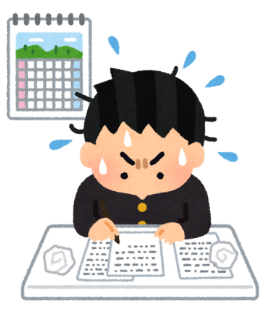
There’s this unspoken expectation that if you’re doing well, you must be okay. If you have a 4.0, you must have it together. If you’re involved in theatre, you must love the spotlight. If people come to you with their problems, you must be strong enough to carry them. If you’re smiling, you must be happy. Somewhere along the way, I built a life where I became “the strong one,” the dependable one, the one who shows up, the one who performs well, the one who keeps the grades high and the energy higher. And to be completely honest, I am exhausted!
There’s pressure to do good, not just decent. Good isn’t even enough; it has to be impressive. A 4.0 isn’t just a number; it feels like proof that I’m capable. Theatre isn’t just something I enjoy; it comes with expectations from others and from myself. If I’m on stage, I better deliver. If I’m in a room, I better lead. If someone is falling apart, I better be the one holding them together. Because if I’m not strong, then who is?
What people don’t see is what it costs. They don’t see the car parked somewhere quiet after a long day. They don’t see the steering wheel gripped too tightly or hear the music playing just loud enough to drown out my own thoughts. They don’t see the tears that show up out of nowhere because everything feels like too much at once. Nobody wants to see that part. They want the version of you that can handle it, the one who laughs it off and says, “I’m fine.” And if you admit you’re not fine, suddenly you’re dramatic.
It’s interesting how quickly feelings get dismissed when they’re inconvenient. I don’t invalidate other people’s emotions. I sit with them. I carry them. I make space for them. But the moment mine spills over, it becomes “too much.” We’re told to go to school, do homework, join activities, plan our futures, be productive, be successful, and not waste our potential. But we’re rarely asked what it feels like to carry all of that at once. No one sees the mental checklist constantly running in the background — the fear of slipping up, the fear of not being enough, the fear that if you slow down, everything you built will fall apart.
I’ve been strong for so long that needing help feels like failure. I’ve been the responsible one, the dependable one, the emotionally available one. Somewhere along the way, I stopped letting people be that for me. That’s partly because I didn’t want to be a burden, partly because not everyone who says they care actually stays. That’s the contradiction: I’m strong for everyone else, but I don’t let anyone be strong for me. I preach vulnerability, but I struggle to practice it. I look confident, but some days I feel like I’m one bad grade, one bad performance, or one bad moment away from cracking.
High-achieving doesn’t mean high-functioning. Smiling doesn’t mean stability. Being “the strong one” doesn’t mean you don’t break down in your car before walking inside, like nothing happened. We’re young adults being asked to plan our entire lives while still figuring out who we are. We’re expected to be mature, involved, and impressive while navigating friendships, family expectations, personal struggles, and the constant pressure to be more. And when we finally crash—when we cry, when we admit we’re overwhelmed—it makes people uncomfortable. So we’re told to calm down, stop being dramatic, and push through. But pushing through isn’t the same thing as being okay.
So here’s the truth: the strong one is tired. Not weak. Not broken. Not dramatic. Just tired. And maybe strength isn’t about carrying everything without cracking. Maybe it’s about admitting that we were never meant to carry it alone. If you’re the one everyone relies on—the overachiever, the dependable friend, the student who looks like they have it together— you’re not the only one who’s cried in their car. You’re allowed to be overwhelmed. You’re allowed to say you’re not okay. You’re allowed to take up space without earning it through perfection. You’re allowed to just be human.


Comments